For decades, women have been told to take up less space.
Eat less. Weigh less. Be smaller.
Here is the No BS truth: after 50, smaller is not the only goal—and it may not even be the right one.
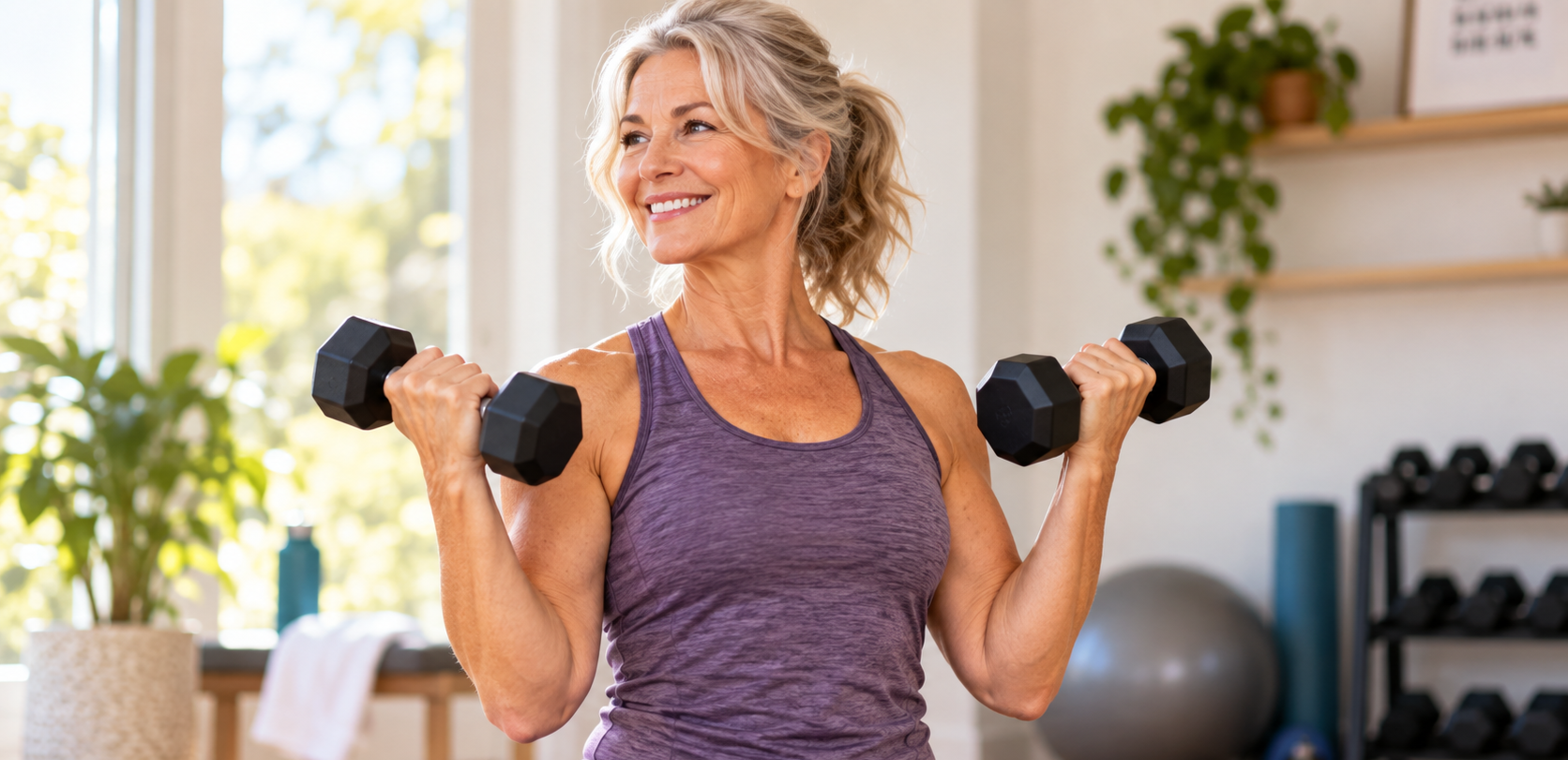
Muscle matters. Strength matters. Being able to carry your own groceries, get up off the floor, travel, play with grandkids, and not feel like a fragile little bird matters.
This is not an argument against wanting to lose weight or feel good in your clothes. It is an argument against making the scale the only measure of whether you are healthy—or whether you are doing aging “correctly.”
Why muscle matters after 50
Muscle is not just for people who post photos of their biceps at the gym. It helps you move, lift, climb stairs, keep your balance, recover from illness or injury, and stay independent.
We naturally tend to lose muscle as we age, and menopause can change body composition too. That means the old plan—eat less, do more cardio, hope for the best—can leave women under-fueled, frustrated, and no stronger for the effort.
A better question than “How can I weigh less?” is “How can I stay strong enough to live the life I want?”
The scale does not tell the whole story
The scale can tell you your total body weight. That is about it.
It cannot tell you whether you are building strength, sleeping better, eating more regularly, feeling steadier on your feet, or no longer getting ravenous at 4:00 p.m. It certainly cannot tell you whether your health plan is realistic enough to survive a restaurant meal, a vacation, or a stressful week.
You can get lighter and still lose muscle. That is not a win. And you can get stronger, have more energy, and fit your clothes better without the scale putting on a parade. Also not a failure.
No, you do not have to throw out your scale if you find it useful. Just stop letting a cheap piece of bathroom equipment run your emotional life.
Strength training is not extra credit
Walking is wonderful. Keep walking. But walking alone does not give your muscles much reason to get stronger. At some point, they need resistance: weights, resistance bands, body-weight exercises, machines, or whatever form of strength work you will actually do consistently.
You do not need to become a gym rat or deadlift a refrigerator. Start somewhere:
- Aim for two strength-training sessions a week.
- Practice simple movements such as sit-to-stands or squats, pushing, pulling, carrying, and stepping up.
- Choose a level that challenges you while allowing good form.
- Increase gradually as you get stronger—because five-pound weights forever are not a retirement strategy.
If you are new to exercise, managing joint pain, osteoporosis, an injury, or a medical condition, get individualized guidance from your physician or a qualified fitness professional.
And yes, protein still matters
Strength training gives your muscles a reason to adapt. Food gives them the raw materials to do it.
You do not need to eat dry chicken breast from a plastic container. But do stop treating protein as an afterthought—especially if breakfast is coffee and lunch is a salad with three chickpeas trying their best.
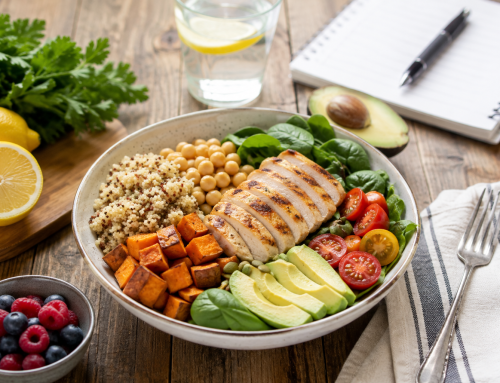
Include a meaningful protein source at meals: eggs, Greek yogurt, cottage cheese, fish, chicken, tofu, tempeh, beans, lentils, or soy foods. Protein powder is fine if it is convenient. It is not a character requirement.
The No-BS takeaway
After 50, your body does not need another plan built around deprivation, guilt, and trying to disappear.
It needs enough food, regular movement, strength work, decent sleep, and habits that survive real life.
You do not have to choose between caring about your weight and caring about your strength. But if the two goals ever compete, choose strength. Your future self will be glad you did.
Lorie Eber, The No-BS Nutritionist, is a Board-Certified Wellness Coach and Nutritionist who helps women over 50 cut through the confusion around nutrition, menopause, and healthy aging so they can feel stronger, healthier, and more confident.