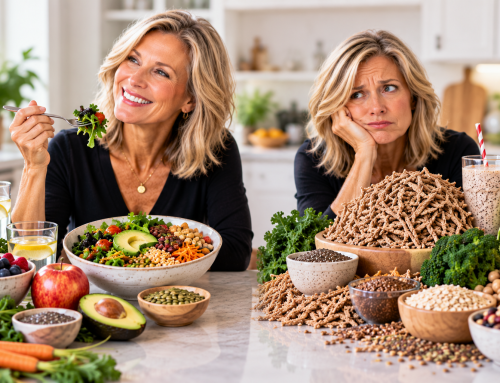
Protein is having its moment. It’s in your coffee, your cereal, your snack bars, and just about every product promising to help you build muscle or lose weight. And yes, protein matters, especially as we age. But while everyone is obsessing over getting enough protein, another essential nutrient is being largely ignored: fiber.
Here’s the irony. Most Americans get enough protein, but the overwhelming majority don’t get enough fiber. Maybe it’s time to rethink our priorities.
How Much Fiber Do You Actually Need?
For women over 50, the recommended daily fiber intake is 21 grams. That’s not an outrageous amount, yet most American adults consume only about 15 grams per day. Why the shortfall? Many of us eat too few vegetables, fruits, beans, and whole grains. And when we’re busy counting protein grams, fiber can become an afterthought.
Unlike protein, fiber isn’t digested and absorbed by the body in the usual way. It moves through your digestive system, performing some pretty important jobs along the way. And no, keeping you regular isn’t its only benefit.
Fiber Does More Than Prevent Constipation
Let’s start with cholesterol. Soluble fiber, found in foods like oats, beans, and apples, can help lower LDL cholesterol. It does this partly by binding to bile acids in your digestive tract, causing your body to use cholesterol to replace them. Certain types of fiber also slow digestion and carbohydrate absorption, helping moderate blood sugar increases after meals.
Then there’s appetite control. High-fiber foods often require more chewing, add volume to meals, and help you feel satisfied. Does that mean eating more fiber automatically makes you lose weight? Of course not. But it can make managing your appetite easier. And there’s another benefit getting plenty of attention: gut health.
Your Gut Bacteria Love Fiber
You’ve probably heard endless claims about improving your gut microbiome. Most seem to come attached to expensive supplements. Here’s something considerably less glamorous: Eat more plants. Certain fibers act as prebiotics, providing food for beneficial gut bacteria. As these bacteria ferment fiber, they produce compounds called short-chain fatty acids that help support intestinal health.
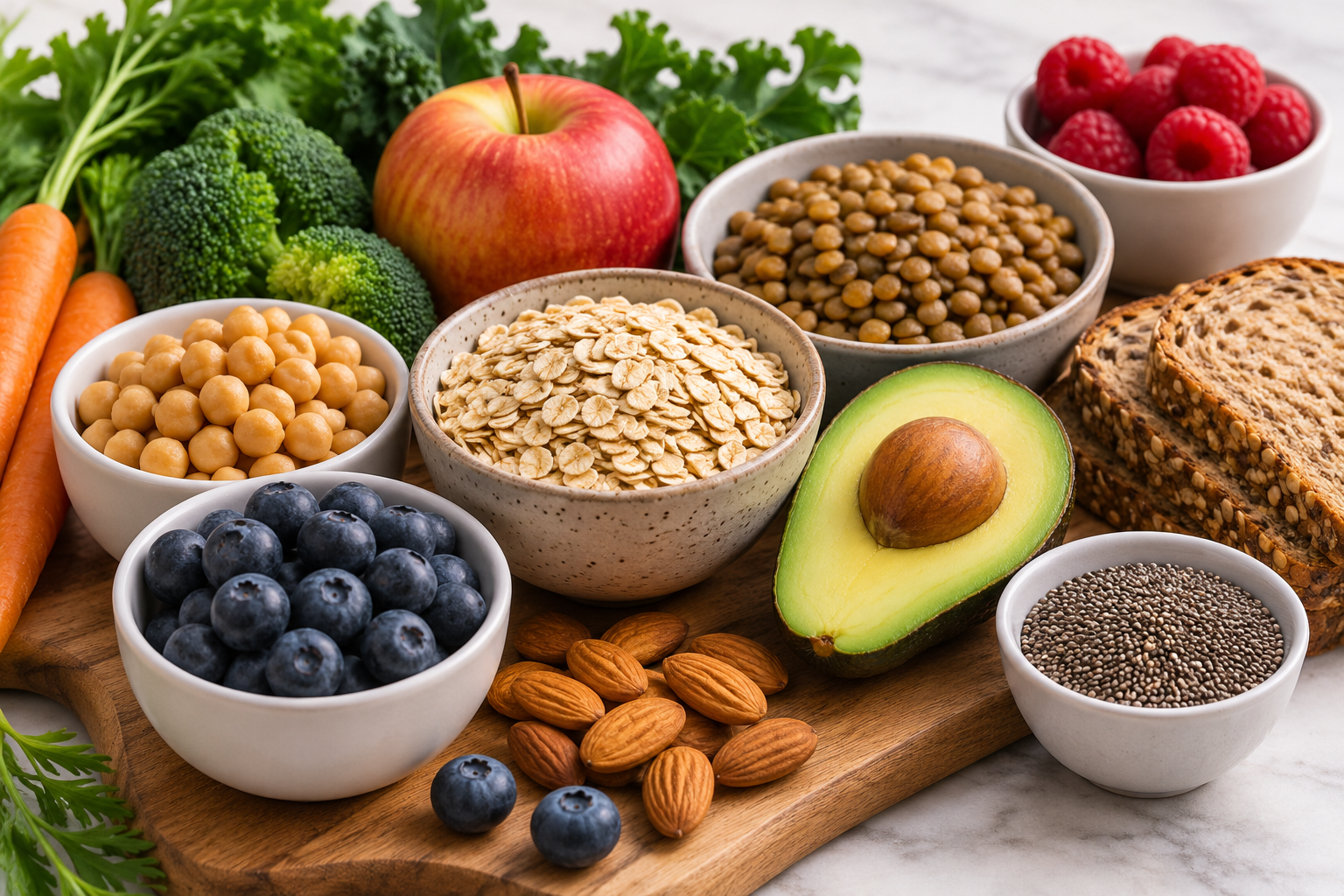
But don’t fall for the idea that every fiber feeds every beneficial bacterium. Different fibers have different effects, which is one reason variety matters. Beans, berries, oats, vegetables, nuts, and seeds all bring something different to the table. You don’t need a trendy gut-health powder to start feeding your microbiome.
What About Fiber Supplements?
Psyllium and some other fiber supplements can be useful, particularly for constipation or lowering LDL cholesterol. But supplements aren’t nutritionally equivalent to whole foods. An apple delivers fiber along with water, vitamins, and other plant compounds. Lentils provide fiber, protein, minerals, and carbohydrates that help fuel your body. A scoop of fiber powder can’t reproduce that entire package.
If you struggle to get enough fiber from food, a supplement may help fill the gap. Just don’t mistake it for a substitute for a healthy eating pattern.
Don’t Go From Zero to 30 Overnight
If your current diet is low in fiber, suddenly doubling your intake can leave you bloated, gassy, and uncomfortable. Increase gradually and drink adequate fluids. Try adding berries to breakfast, beans to a salad, or swapping refined grains for whole grains. Small changes add up, and you don’t have to count every gram for the rest of your life.
The No-BS Takeaway
Protein deserves attention, particularly for women over 50 who want to preserve muscle and strength. But nutrition isn’t a one-nutrient competition. While marketers keep inventing new ways to sell you protein, ordinary foods like beans, oats, berries, and vegetables deliver something most Americans desperately need more of.
Stop chasing the latest nutritional obsession and start paying attention to what your diet is actually missing. Fiber isn’t sexy. It doesn’t have celebrity endorsements or flashy advertising campaigns. It just happens to be important.
Lorie Eber, The No-BS Nutritionist, is a Certified Wellness Coach and Nutritionist who helps women over 50 cut through the confusion around nutrition, menopause, sleep, stress, and healthy aging so they can feel stronger, healthier, and more confident.