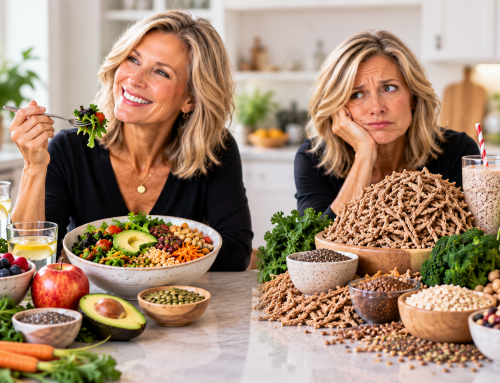
Protein has become the latest nutrition obsession.
Everywhere you look, somebody is putting protein powder in coffee, pasta, pancakes, and possibly their mascara.
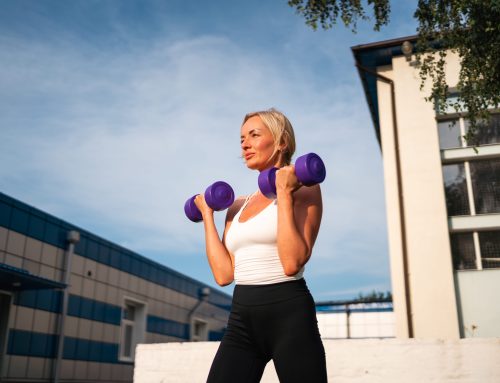
But for women over 50, protein is not just another wellness trend. It matters for maintaining muscle, strength, energy, mobility, and independence as we get older.
That does not mean you need to eat dry chicken breast out of a plastic container or start calculating the protein content of a grape.
It means it is worth paying a little more attention to what is on your plate.
Why protein matters after 50
As we age, we naturally tend to lose muscle. Menopause can also change body composition, and many women notice they feel less strong, recover more slowly, or find that what used to “work” for weight management no longer does.
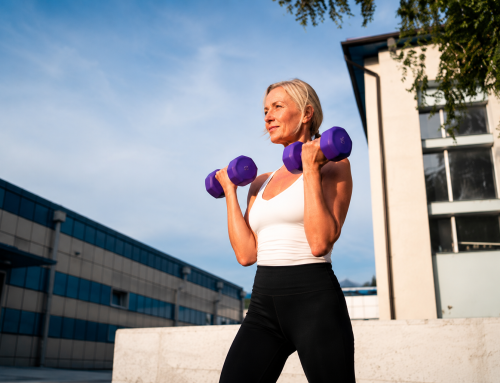
Muscle matters for much more than looking toned in a sleeveless top.
It helps you:
· Stay strong enough for everyday life.
· Support balance and mobility.
· Maintain function and independence as you age.
· Feel more capable during exercise and activity.
· Better manage appetite and stay satisfied between meals.
That is why nutrition after 50 should be about more than eating less.
It should include eating enough of the foods that help you stay strong.
The breakfast problem
Many women start the day with something that looks like breakfast but has almost no protein.
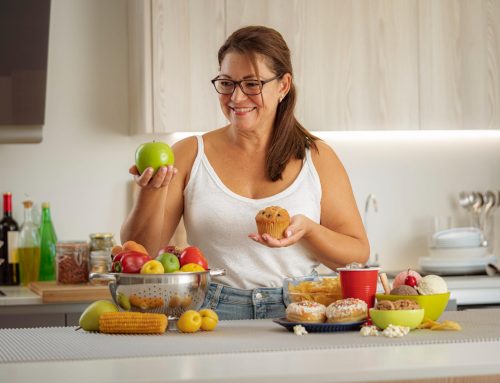
Toast and coffee. Fruit and coffee. A muffin and, you guessed it, coffee.
There is nothing morally wrong with any of those foods. But if that is all you eat in the morning, do not be surprised if you are hungry again by 10:30 and suddenly making questionable decisions in the pantry.
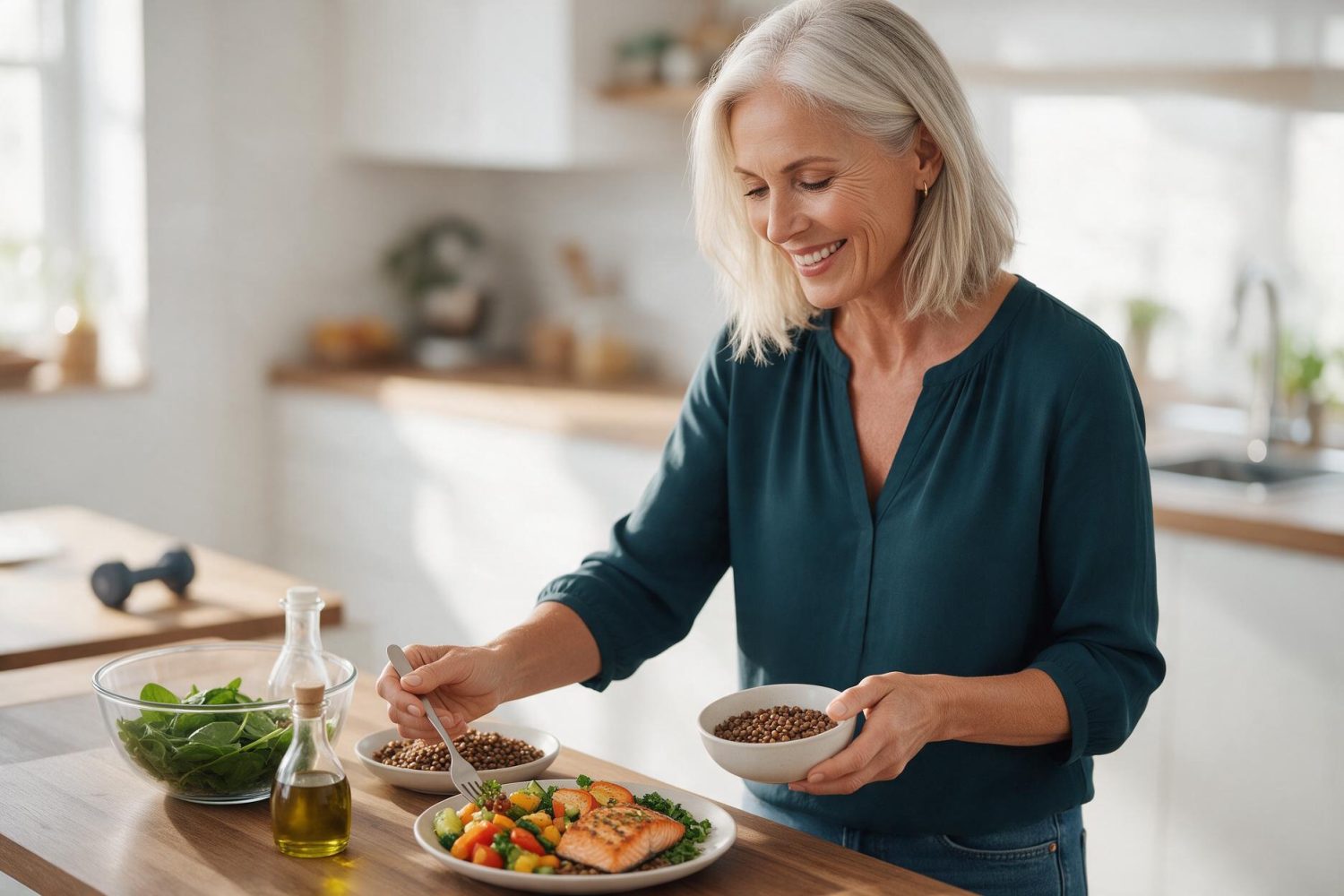
A more satisfying breakfast might include:
· Eggs with whole-grain toast and fruit.
· Greek yogurt with berries, nuts, and seeds.
· Cottage cheese with fruit.
· Oatmeal made with milk or soy milk, topped with Greek yogurt or nut butter.
· A smoothie that actually contains protein—not just frozen banana and positive thinking.
Protein at breakfast can help make the rest of the day easier. No willpower lecture required.
You do not need to save protein for dinner
Dinner is often the only meal where women reliably eat a solid serving of protein.
That is not wrong. It is just not ideal if breakfast was coffee and lunch was a salad with three chickpeas trying their best.
Instead, aim to include protein throughout the day.
Good options include:
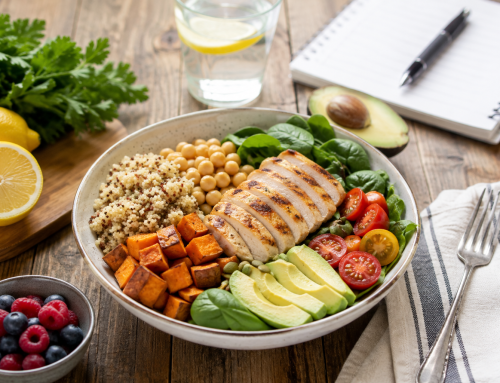
· Fish, chicken, turkey, eggs, and lean meat.
· Greek yogurt, cottage cheese, milk, and fortified soy foods.
· Tofu, tempeh, edamame, beans, and lentils.
· Nuts and seeds as part of a meal or snack.
· Protein powder if it is convenient and you like it—not because a stranger on Instagram told you it was mandatory.
No single food has to carry the whole burden. The goal is simply to stop making protein an afterthought.
How much protein do women over 50 need?
There is no one-number answer for everyone.
Your needs can vary based on body size, activity level, health conditions, appetite, food preferences, and whether you are working to build or maintain muscle.
If you have kidney disease or another medical condition that affects protein intake, get individualized guidance from your physician or registered dietitian.
For most healthy women over 50, though, the practical starting point is not an app, a calculator, or a color-coded spreadsheet.
It is this: include a meaningful protein source at each meal.
If you want more personalized targets, that is where working with a qualified nutrition professional can help.
Protein is not a magic weight-loss trick
Let’s be clear: protein is not a magic solution for everything.
It will not erase the effects of poor sleep, chronic stress, zero movement, or a diet built primarily around snack foods eaten in the car.
But it can help meals feel more satisfying, support muscle, and make healthy eating more realistic.
And realistically sustainable beats nutritionally perfect every time.
The No-BS takeaway
After 50, eating enough protein is one of the simplest things you can do to support strength and healthy aging.
You do not need a rigid meal plan.
You do not need to eat like a bodybuilder.
You do not need to turn your kitchen into a supplement store.
Just start by asking one question at breakfast, lunch, and dinner:
Where is the protein?
That small shift can make a meaningful difference over time.
Lorie Eber, The No-BS Nutritionist, is a Certified Wellness Coach and Nutritionist who helps women over 50 cut through the confusion around nutrition, menopause, and healthy aging so they can feel stronger, healthier, and more confident.