How to Lower Blood Pressure Naturally: Lifestyle Changes for High Blood Pressure
The next time you get your blood pressure checked, expect your medical provider to take a more aggressive approach if your levels are high.
And if you enjoy a glass of wine with dinner or a weekend cocktail, brace yourself: New guidelines from the American Heart Association and the American College of Cardiology, released Thursday, now recommend skipping alcohol.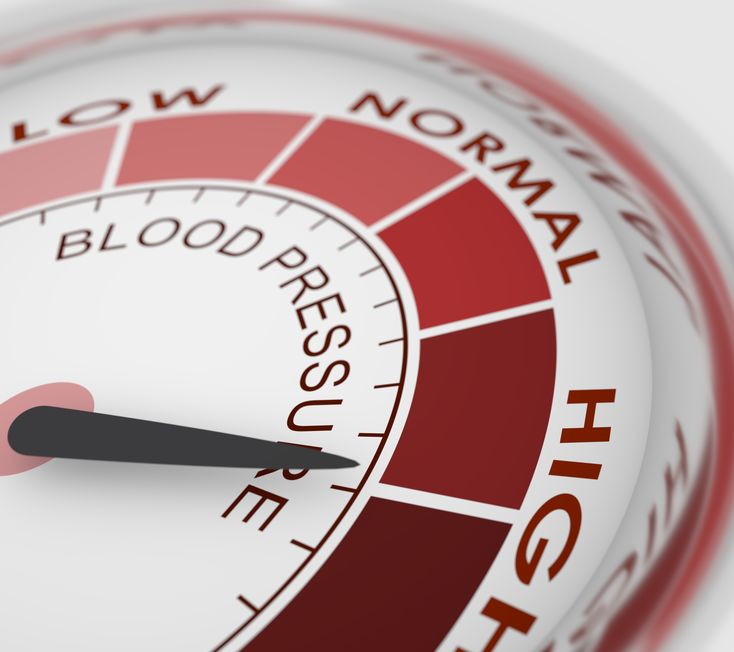
Committees from the heart organizations regularly review the latest research to guide medical providers in treating high blood pressure. This marks their first updated set of guidelines since 2017.
Heart disease remains the No. 1 killer worldwide, and blood pressure is one of the most controllable risk factors. Managing your blood pressure also helps lower the risk of kidney disease, type 2 diabetes, and dementia.
What the Latest Blood Pressure Guidelines Say
-
Nearly half of all adults in the US have higher than normal blood pressure.
-
The goal numbers for adults haven’t changed, according to the guidelines: Normal blood pressure is less than 120/80 mm Hg, elevated blood pressure is 120-129/80 mm Hg.
-
If you are at 130/80 mmHg or higher, according to the new guidelines, your medical provider will want you to make some changes.
Blood pressure is measured in millimeters of mercury, which is abbreviated as mm Hg. The measurement has an upper number, or systolic reading, and a lower number, a diastolic reading: Systolic pressure measures the force of blood as it pumps out of the heart into the arteries, and diastolic is the pressure created as the heart rests between beats.
High blood pressure doesn’t have any symptoms typically. But when your blood pressure is high, the force of your blood pushes against the walls of your blood vessels, making your heart less efficient, so both the vessels and heart must work harder. Without treatment, high blood pressure will eventually damage your arteries, raising your risk of having a heart attack or stroke
How High Blood Pressure is Treated
The new blood pressure guidelines say that if your systolic blood pressure is in the 130 to 139 range:
-
Your medical provider should first encourage you to adopt healthy lifestyle changes.
-
After three to six months, if the lifestyle changes alone don’t lower your blood pressure to the goal range, then medication is recommended, the new guidelines say.
-
That’s a shift from 2017 recommendation that anyone with systolic blood pressure above 140 should be prescribed lifestyle changes and medication.
“So just trying to more aggressively control blood pressure, for it to be better for more people, to prevent cardiovascular disease, strokes, kidney disease, and now we know lowering blood pressure actually helps reduce the risk for dementia as well. So that’s really big news out of this guideline,” said Dr. Daniel Jones, American Heart Association chair of the writing committee for the guidelines.
Lifestyle Changes for High Blood Pressure
Lifestyle changes, according to the new guidelines, include maintaining or achieving a healthy weight, eating a heart-healthy diet, reducing the amount of salt in what you eat and drink, managing stress, at least 150 minutes of moderate physical activity per week and resistance exercise like weight training.
Read the updated blood pressure guidelines.
Take Control of Your Heart Health Today!
Discover practical lifestyle changes that support a healthier heart. Bookmark this guide, share it with loved ones, and begin your journey to better health—one small step at a time.
📩 Have questions or feedback? Reach out to us at Eberlorie@gmail.com.